Back to Stories


Culture
The Heartbeat of Kibera: Art and Resilience
Kevin Ochieng
Oct 28, 2025
To say Kibera is just a slum is to misunderstand the very fabric of its existence. Yes, the corrugated iron roofs stretch endlessly, and the alleyways are narrow mazes of survival. But beneath it all, there is an electric, undeniable pulse of creativity.
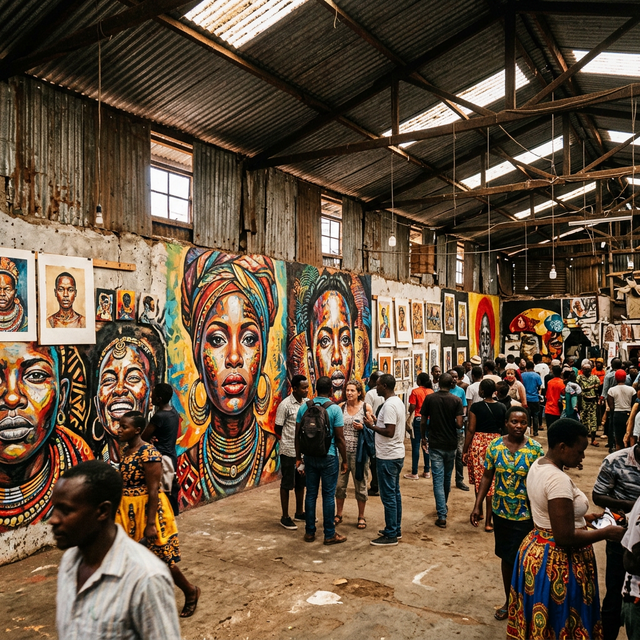
I spent Saturday afternoon at an impromptu gallery space cleared out entirely by local youths. The walls were plastered with explosive, colorful murals depicting the struggles and the undeniable pride of the community. In the background, a local DJ spun a mix of Gen-getone and old-school Kapuka, the bass rattling the iron sheets overhead.
I met a painter named Wanjiru, who uses recycled materials and vibrant paints to create portraits of the community's elders. "We don't just survive here," she told me, wiping paint from her cheek. "We create. We sing. We live loud."
Walking out of Kibera as the sun set over the tin roofs, the sound of laughter and distant bass followed me. It’s a place of immense hardship, absolutely, but it is also a crucible of artistic fire that is shaping the culture of Nairobi.
More Stories
Wildlife
Sunset Over the Savannah: Nairobi National Park
Nov 12, 2025Expedition
Trekking Mount Kenya: The Silent Glaciers
Sep 15, 2025Adventure
Surfing the Skeleton Coast
Aug 15, 2024Join the Community
Get the latest stories delivered to your inbox.